
Posted by Nikhil Khanpara
on July 06, 2026

Noticing more hair in your brush than usual? Before blaming genetics or stress alone, it's worth looking at your nutrient levels. Vitamin and mineral deficiencies are among the most common — and most overlooked — causes of hair thinning and loss in both men and women.
Here's a breakdown of the key deficiencies linked to hair loss, what the research says, and how to address them.
Why Is My Hair Falling Out?
Hair loss has many potential causes — hormonal changes, thyroid dysfunction, stress, genetics, and medication side effects among them. But nutritional deficiency is frequently a contributing factor, and it's one of the most actionable ones to address.
Hair follicles are among the most metabolically active cells in the body. They require a constant supply of nutrients to sustain the growth cycle. When key vitamins and minerals are in short supply, the body deprioritizes hair growth in favor of more critical functions — and shedding accelerates.
The Key Vitamin Deficiencies Linked to Hair Loss
1. Biotin (Vitamin B7)
Biotin is the most well-known nutrient associated with hair health — and for good reason. It plays a central role in keratin production, the structural protein that makes up hair, skin, and nails. Biotin deficiency is associated with brittle hair, hair thinning, and in more severe cases, hair loss.
While true biotin deficiency is relatively rare in people eating a varied diet, subclinical insufficiency — levels low enough to affect hair quality without triggering clinical symptoms — is more common than most people realize, particularly in those who consume raw egg whites regularly (which block biotin absorption) or take certain medications.
Signs of low biotin: Thinning hair, brittle nails, dry scaly skin around the eyes and nose, fatigue.
2. Vitamin D3
Vitamin D deficiency is one of the most prevalent nutrient deficiencies globally — and it has a direct relationship with hair follicle cycling. Vitamin D receptors are present in hair follicles, and research has found that low Vitamin D levels are significantly associated with alopecia areata (patchy hair loss) and telogen effluvium (diffuse shedding).
Vitamin D is thought to help create new hair follicles and may play a role in keeping existing follicles in the active growth (anagen) phase. Deficiency essentially disrupts this cycle, pushing more follicles into the resting and shedding phases prematurely.
Signs of low Vitamin D: Hair shedding, fatigue, low mood, frequent illness, bone or muscle aches.
3. Folate (Vitamin B9)
Folate is essential for cell division and DNA synthesis — processes that are critical in rapidly dividing cells like hair follicles. Low folate levels can impair the production of new hair cells, slowing growth and contributing to thinning over time.
Folate deficiency is more common in people with poor dietary variety, those who drink alcohol regularly, pregnant women, and individuals with certain gut absorption issues.
Signs of low folate: Slow hair growth, premature greying, fatigue, mouth sores.
4. Iron
Iron deficiency — particularly in premenopausal women — is one of the leading nutritional causes of hair loss. Iron is required for the production of hemoglobin, which carries oxygen to hair follicles. Without adequate oxygen delivery, follicles can't sustain normal growth cycles and begin to shed prematurely.
Telogen effluvium (diffuse hair shedding) is strongly associated with low ferritin (stored iron) levels, even when hemoglobin levels appear normal on standard blood tests.
5. Zinc
Zinc plays a role in hair tissue growth and repair, and helps keep the oil glands around follicles functioning properly. Both deficiency and excess zinc have been linked to hair loss, making it important to supplement within appropriate ranges rather than megadosing.
6. Vitamin E
As a potent antioxidant, Vitamin E helps protect hair follicles from oxidative stress — a key driver of follicle damage and premature aging. Some small studies have shown improvements in hair count with Vitamin E supplementation in people experiencing hair loss.
Does Biotin Actually Work for Hair Growth?
This is one of the most searched questions in the hair wellness space — and the honest answer is: yes, if you're deficient or insufficient.
The evidence for biotin supplementation is strongest in people with existing deficiency or insufficiency. In those cases, restoring adequate biotin levels has been shown to improve hair thickness, reduce shedding, and strengthen nails. For people with genuinely optimal biotin levels, the incremental benefit is less clear — but given biotin's excellent safety profile and water-soluble nature (excess is excreted), supplementation is low-risk and widely used.
The more important point is that hair health is rarely about a single nutrient. The most effective approach addresses the full spectrum of nutrients that support the hair growth cycle simultaneously.
Biotin Before and After: What to Realistically Expect
Results from biotin and hair-supportive nutrient supplementation are not overnight. Here's a realistic timeline:
- Weeks 1–4: Reduced shedding may begin as nutrient levels stabilize
- Months 1–3: Improved hair texture, strength, and shine; new growth may become visible at the hairline
- Months 3–6: More significant improvements in density and thickness as the full hair growth cycle completes
Consistency is everything. Hair grows approximately 1cm per month — meaningful results require sustained daily supplementation over several months.
The Bioavailability Problem Most People Don't Know About
Here's something the supplement industry rarely talks about: most biotin and vitamin supplements in capsule or tablet form have to survive your digestive system before any active compounds reach your bloodstream. Depending on your gut health, stomach acid levels, and the specific formulation, a significant portion may never be absorbed.
Sublingual delivery — dissolving a strip under your tongue — bypasses the digestive system entirely. Active compounds are absorbed directly through the mucous membrane into the bloodstream, offering faster and more efficient uptake.
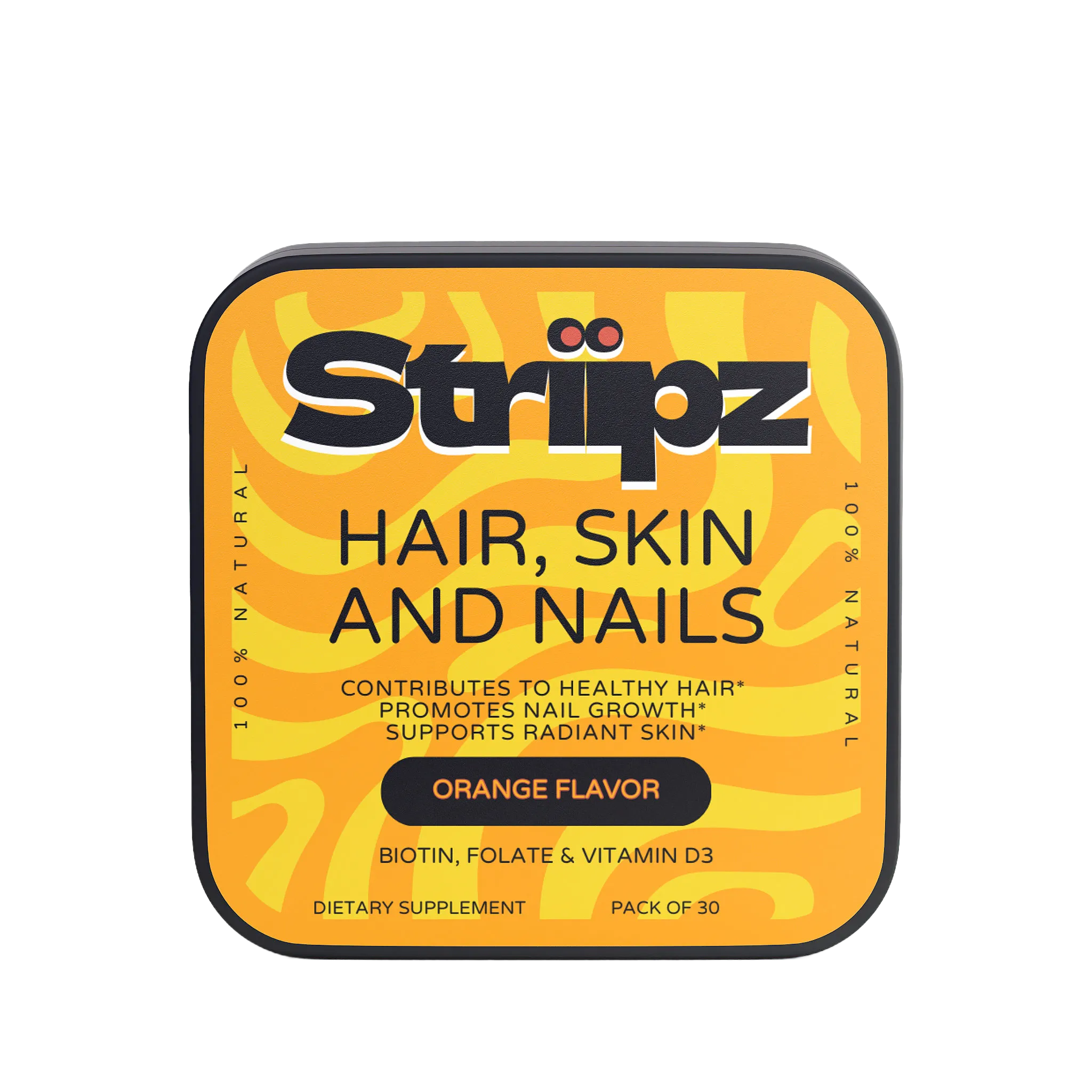
STRIIPZ Hair, Skin & Nails Strips combine Biotin, Folate, and Vitamin D3 in a fast-dissolving sublingual strip — targeting the three key nutrients most directly linked to hair, skin, and nail health in one precise, bioavailable daily dose. No capsules. No fillers. Dissolves in seconds.
Shop Hair, Skin & Nails Strips →
Other Factors That Contribute to Hair Loss
Nutrients are one piece of the puzzle. If you're addressing deficiencies and still experiencing significant hair loss, consider evaluating:
- Thyroid function — both hypothyroidism and hyperthyroidism cause hair loss
- Hormonal imbalances — elevated DHT, estrogen dominance, or PCOS
- Chronic stress — elevated cortisol disrupts the hair growth cycle
- Scalp health — dandruff, seborrheic dermatitis, and scalp inflammation can impair follicle function
- Protein intake — hair is made of keratin (a protein); inadequate dietary protein directly limits hair production
A comprehensive blood panel including ferritin, Vitamin D, thyroid hormones, and folate is the most reliable way to identify what's driving your specific hair loss pattern.
The Bottom Line
Hair loss driven by vitamin deficiency is one of the most treatable forms of hair thinning — but only if you address the right nutrients consistently and give them enough time to work.
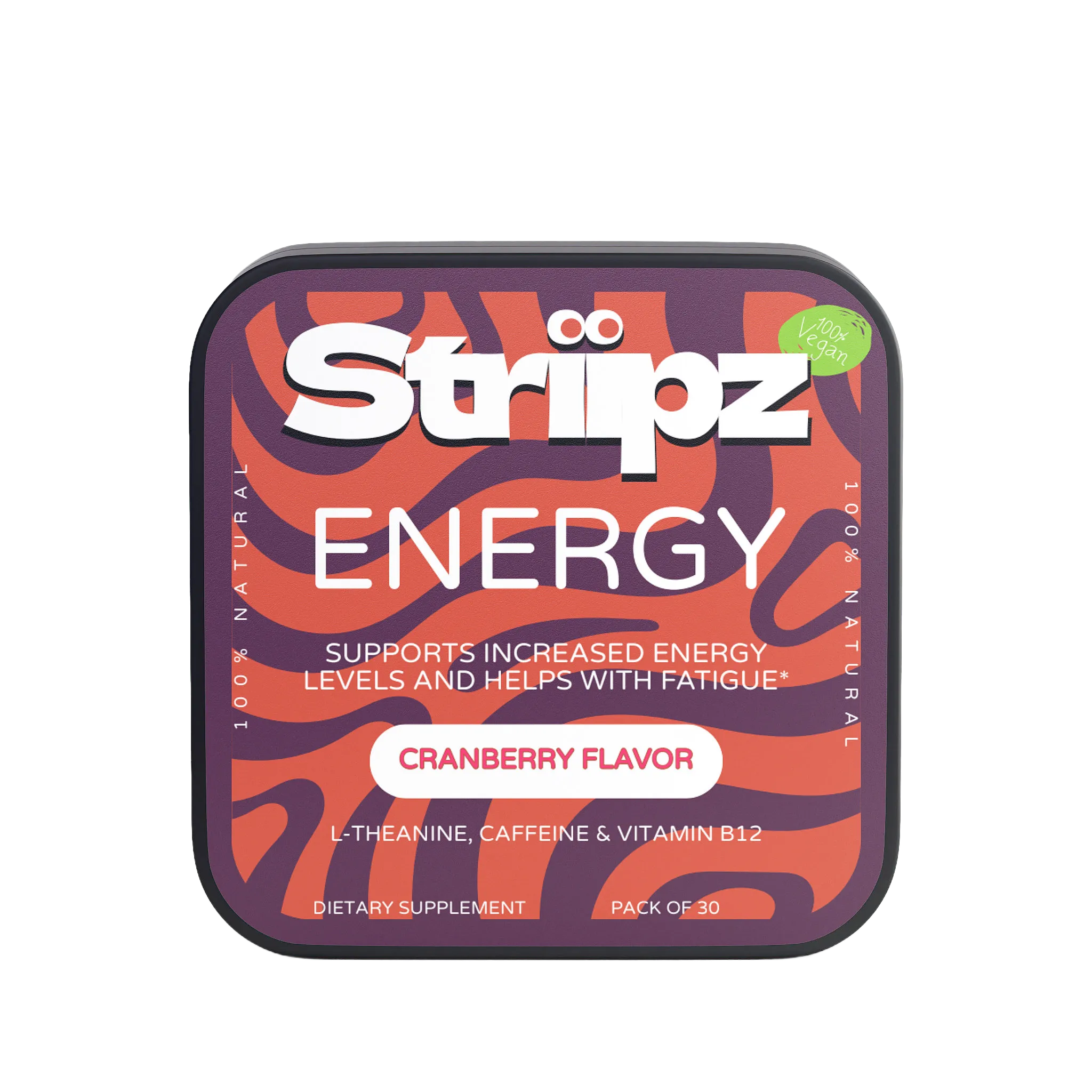
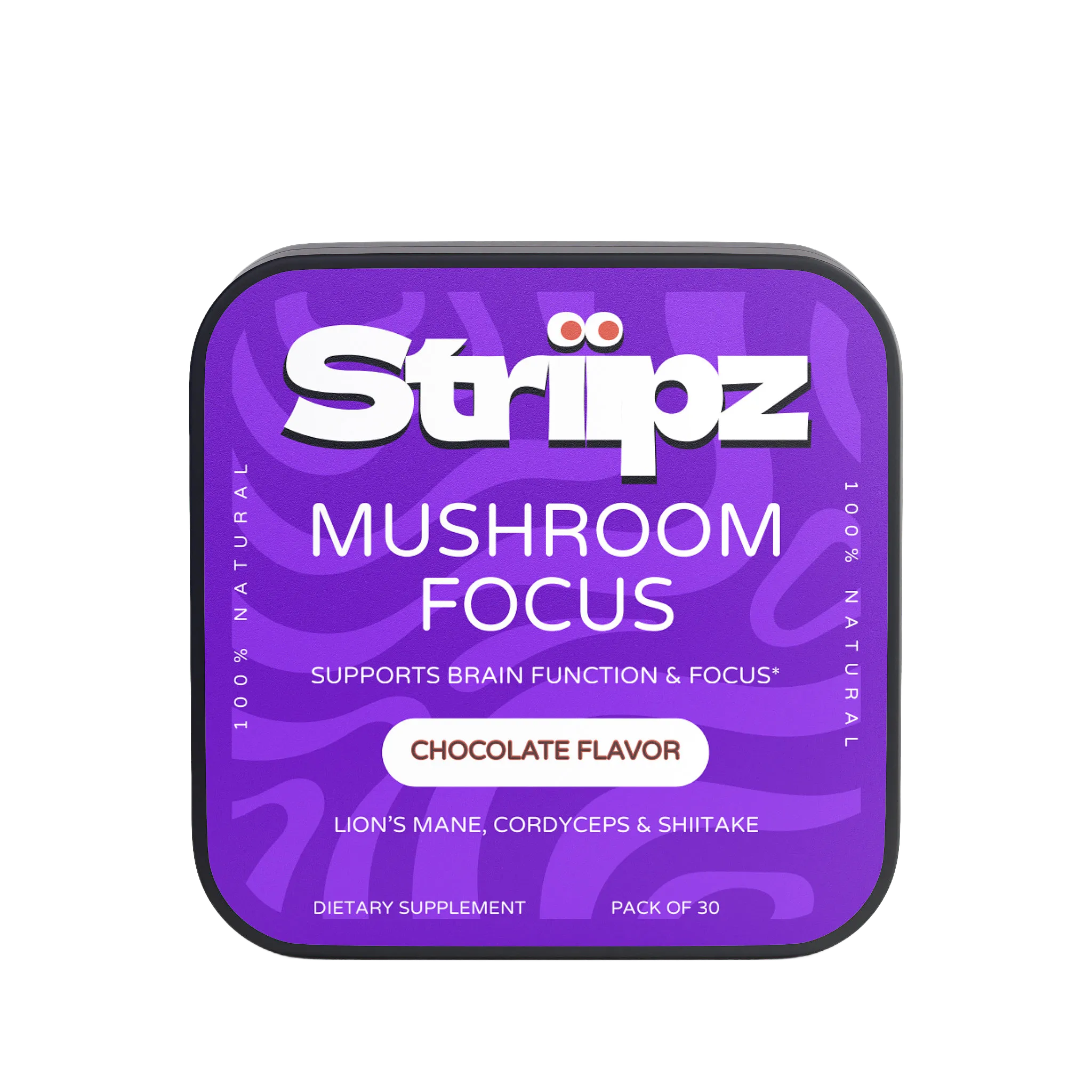
Biotin, Vitamin D3, and Folate are the three most directly linked to hair follicle health and growth cycle regulation. Getting them in a bioavailable form, daily, is the foundation of any serious hair wellness protocol.
Explore the full STRIIPZ range →
Disclaimer: These statements have not been evaluated by the Food and Drug Administration. STRIIPZ products are not intended to diagnose, treat, cure, or prevent any disease. Always consult a qualified healthcare provider before starting any new supplement regimen.