
Posted by Nikhil Khanpara
on June 29, 2026

The average American consumes 3 cups of coffee a day — and still feels exhausted by 2 PM. If that sounds familiar, you're not caffeine-deficient; you're caught in the energy drink trap: a short spike, a hard crash, and a dependency cycle that leaves you more depleted than when you started. The real solution isn't more stimulants — it's understanding what actually drives energy at the cellular level and building a system that supports it. In this guide, we cover 10 science-backed ways to boost energy naturally — from L-Theanine stacking to mitochondrial nutrition to strategic meal timing — that deliver all-day performance without the jitters, crashes, or 3 AM insomnia.
Why Energy Drinks Are a Short-Term Fix With Long-Term Costs
The Sugar + Caffeine Spike-Crash Cycle Explained
A standard energy drink delivers 150–300mg of caffeine alongside 25–54g of sugar in a single serving. The sugar triggers a rapid insulin response, producing a brief energy spike followed by a blood glucose crash within 60–90 minutes — the exact mechanism that drives the mid-afternoon slump. The caffeine masks the crash temporarily, but as it clears (caffeine's half-life is 5–7 hours), the combined sugar crash and adenosine rebound hit simultaneously. The result: you feel worse than before you drank it, and you reach for another one.
How Energy Drinks Disrupt Sleep Quality Over Time
Caffeine consumed after 2 PM remains active in the bloodstream well into the evening for most adults. It suppresses adenosine — the sleep pressure molecule — delaying sleep onset and reducing slow-wave (deep) sleep even when you fall asleep at your normal time. Over weeks and months, this compounds into a chronic sleep debt that itself becomes a primary driver of low energy — creating a dependency loop where you need more caffeine to compensate for the sleep disruption the caffeine caused.
Hidden Ingredients to Watch Out For
Beyond caffeine and sugar, many energy drinks contain: niacin at megadoses (causing flushing and liver stress with daily use), synthetic B vitamins in cyanocobalamin form (poorly absorbed vs. methylcobalamin), artificial sweeteners in "sugar-free" versions (which disrupt gut microbiome and insulin signaling), and undisclosed proprietary blends that obscure actual ingredient doses. The label often looks impressive; the formulation rarely is.
The Adrenal Fatigue Connection
Chronic high-caffeine consumption overstimulates the HPA (hypothalamic-pituitary-adrenal) axis, driving repeated cortisol and adrenaline release. Over time, this dysregulates the adrenal stress response — producing a pattern of morning fatigue (low cortisol awakening response), afternoon crashes, and difficulty winding down at night. This is sometimes called "adrenal fatigue," though the clinical term is HPA axis dysfunction. The fix is not more stimulants — it's adaptogenic support and cortisol recalibration.
What Actually Causes Low Energy? (Root Causes First)
Mitochondrial Function — Your Cellular Power Plants
Every cell in your body produces energy through mitochondria — organelles that convert glucose, fatty acids, and oxygen into ATP (adenosine triphosphate), the universal energy currency. Mitochondrial efficiency declines with age, chronic stress, nutrient deficiency, and sedentary behavior. When mitochondria underperform, you feel it as persistent fatigue, brain fog, and poor exercise tolerance — regardless of how much sleep you get or coffee you drink. Supporting mitochondrial function is the most upstream intervention for sustainable energy.
Nutrient Deficiencies Most Linked to Fatigue (B12, Iron, Magnesium, D3)
Four micronutrients account for the majority of nutrition-related fatigue: Vitamin B12 (required for red blood cell formation and neurological function — deficiency produces profound fatigue and cognitive slowing), Iron/Ferritin (oxygen delivery to muscles and brain — even subclinical deficiency causes fatigue and poor concentration), Magnesium (cofactor in over 300 enzymatic reactions including ATP synthesis — deficiency impairs energy production at the cellular level), and Vitamin D3 (regulates mitochondrial function and is deficient in an estimated 40% of US adults). Kennedy et al. (2016) confirmed that B vitamin supplementation produces measurable improvements in energy and cognitive performance in deficient adults.
Chronic Stress and Cortisol Drain
Cortisol is catabolic — it breaks down tissue for fuel during stress responses. Chronic elevation depletes glycogen stores, impairs glucose uptake in the brain, and suppresses mitochondrial biogenesis (the creation of new mitochondria). The result is a body that's perpetually in emergency mode, burning through energy reserves faster than they can be replenished. Adaptogenic herbs that modulate the cortisol response — ashwagandha, rhodiola, cordyceps — address this root cause directly.
Poor Sleep Architecture vs. Sleep Duration
Deep sleep (Stage 3 NREM) is when growth hormone is released, cellular repair occurs, and glycogen stores are replenished. REM sleep consolidates learning and emotional processing. If your sleep is fragmented or shallow — from alcohol, stress, late-night screens, or sleep apnea — you can spend 9 hours in bed and wake with a full energy deficit. Duration is not the metric that matters; architecture is.
Dehydration — The Most Underestimated Energy Killer
Even mild dehydration (1–2% of body weight) measurably impairs cognitive performance, mood, and perceived energy levels. The brain is 75% water; a 2% fluid deficit reduces attention, working memory, and psychomotor speed. Most adults are chronically mildly dehydrated — particularly those who rely on coffee (a mild diuretic) as their primary fluid source. Drinking 500ml of water upon waking is one of the highest-ROI energy interventions available, and it costs nothing.
10 Science-Backed Ways to Boost Energy Naturally
1. Optimize Sleep Quality (Not Just Hours)
Consistent sleep and wake times — even on weekends — are the single most impactful energy intervention available. Circadian consistency stabilizes the cortisol awakening response, optimizes sleep stage distribution, and reduces sleep inertia. Pair with: blackout curtains, bedroom temperature 65–68°F, no screens 60 minutes before bed, and morning bright light exposure within 10 minutes of waking to anchor your circadian clock.
2. Strategic Caffeine + L-Theanine Stacking
Caffeine alone produces alertness through adenosine blockade — but also anxiety, jitteriness, and a hard crash as it clears. L-Theanine, an amino acid found in green tea, promotes alpha brain wave activity (relaxed alertness) and modulates the excitatory effects of caffeine without reducing its cognitive benefits. Haskell et al. (2008) demonstrated in a double-blind RCT that the combination of caffeine (150mg) and L-Theanine (250mg) produced significantly better performance on attention and cognitive tasks than either compound alone — with fewer side effects. The result is what biohackers call "calm alert": focused, energized, and in control.
3. Vitamin B12 — Cellular Energy Production
B12 (as methylcobalamin) is essential for the conversion of food into usable cellular energy via the methylation cycle and mitochondrial function. Deficiency — common in vegans, vegetarians, adults over 50, and those on metformin or PPIs — produces fatigue, brain fog, and mood disruption that no amount of caffeine can compensate for. Sublingual B12 bypasses the intrinsic factor-dependent gut absorption pathway, making it the most reliable delivery method for those with absorption issues.
4. Ashwagandha — Cortisol Reduction for Sustained Energy
Ashwagandha (Withania somnifera) is the most clinically studied adaptogen for stress and energy. Its withanolide compounds modulate the HPA axis, reducing cortisol output during chronic stress and improving the body's resilience to physical and psychological stressors. Multiple RCTs have demonstrated significant reductions in perceived stress, fatigue, and cortisol levels with 300–600mg of KSM-66 or Sensoril extract daily. The energy benefit is indirect but powerful: less cortisol drain means more energy available for performance.
5. Cordyceps Mushroom — ATP and Oxygen Utilization
Cordyceps (Cordyceps militaris) is a functional mushroom with a unique mechanism: its active compound cordycepin (adenosine analog) directly supports ATP synthesis and improves cellular oxygen utilization. Earnest et al. (2004) found that cordyceps supplementation improved VO2 max and time-to-exhaustion in trained athletes. For non-athletes, the practical benefit is improved stamina, reduced perceived exertion during physical tasks, and better afternoon energy retention — without stimulant effects.
6. Iron Optimization — Oxygen Delivery to Muscles & Brain
Iron is the core of hemoglobin — the protein that carries oxygen from lungs to every tissue in the body. Low ferritin (even without frank anemia) reduces oxygen delivery to muscles and the brain, producing fatigue, poor concentration, and exercise intolerance. Women of reproductive age are particularly vulnerable. Request a ferritin-specific blood test (target >70 ng/mL for energy optimization) rather than relying on standard serum iron, which is an unreliable marker of iron status.
7. Magnesium Glycinate — Mitochondrial Energy Support
Magnesium is a cofactor in over 300 enzymatic reactions, including every step of ATP synthesis. Without adequate magnesium, mitochondria cannot produce energy efficiently — full stop. Magnesium glycinate is the most bioavailable and gut-friendly form. 200–400mg daily (taken in the evening to also support sleep quality) addresses the most common nutritional bottleneck in cellular energy production. Most adults are insufficient; standard dietary intake rarely meets optimal levels for high-performance individuals.
8. Cold Water Exposure (Morning Reset)
Cold water exposure — even a 30-second cold shower at the end of your morning routine — triggers a norepinephrine release of up to 300% above baseline, according to research by Srámek et al. Norepinephrine is a primary alertness neurotransmitter that improves focus, mood, and energy without caffeine. It also activates brown adipose tissue thermogenesis, increasing metabolic rate for several hours post-exposure. The barrier is psychological; the benefit is immediate and measurable.
9. Strategic Meal Timing — Avoiding Blood Sugar Crashes
The 2 PM energy crash is almost always a blood sugar event, not a sleep deficit. High-glycemic lunches (white rice, bread, pasta, sugary drinks) produce a rapid glucose spike followed by an insulin-driven crash 60–90 minutes later. The fix: prioritize protein (30–40g) and fiber at lunch, minimize refined carbohydrates, and include healthy fats to slow glucose absorption. A protein-forward lunch produces stable blood sugar and sustained energy through the afternoon without any supplementation required.
10. Movement Snacks — 5-Minute Micro-Workouts
Prolonged sitting reduces cerebral blood flow and increases fatigue. A 5-minute walk, 20 bodyweight squats, or a brief stair climb every 60–90 minutes increases circulation, triggers endorphin release, and resets alertness more effectively than a second cup of coffee. Research from the University of Georgia found that low-intensity exercise (10 minutes of walking) increased energy by 18% and reduced fatigue by 65% in sedentary adults — a larger effect than caffeine in the same population.
The Smartest Natural Energy Stack for All-Day Performance
Morning Protocol (Wake-Up to 10 AM)
- Immediately upon waking: 500ml water + bright light exposure (10 min)
- Delay caffeine 90–120 minutes after waking (allows cortisol to peak naturally first)
- Take: Vitamin B12 (sublingual methylcobalamin) + Vitamin D3 with breakfast
- Breakfast: High-protein (30g+), low-glycemic — eggs, Greek yogurt, smoked salmon
- Optional: Ashwagandha (300mg KSM-66) with breakfast for cortisol modulation
Midday Protocol (12 PM — Beating the 2 PM Slump)
- Protein-forward lunch (30–40g protein, fiber-rich vegetables, minimal refined carbs)
- Post-lunch: 5-minute walk or movement snack to prevent post-meal blood sugar crash
- 12:30–13:00: Caffeine + L-Theanine stack if needed (last caffeine of the day for most people)
- Hydration check: 500ml water with lunch
Afternoon Protocol (3–5 PM — Sustained Focus Without Disrupting Sleep)
- No additional caffeine after 2 PM (half-life extends into sleep window)
- Cordyceps or adaptogen stack for sustained energy without stimulation
- Movement snack at 3 PM: 5–10 minutes of light activity to reset alertness
- Protein-rich snack if needed: nuts, hard-boiled eggs, or Greek yogurt
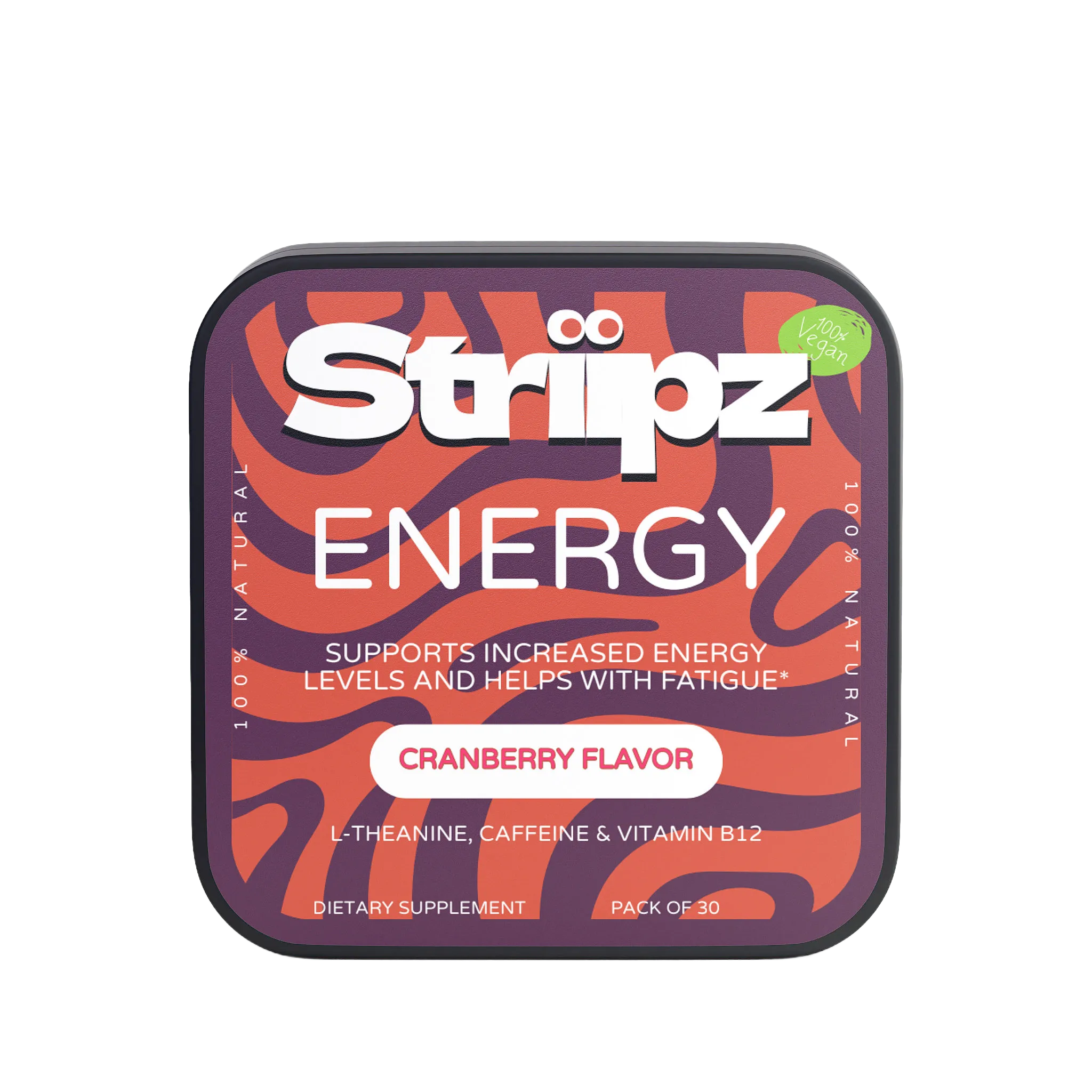
⚡ The cleanest way to execute the caffeine + L-Theanine + B12 stack? The Striipz ENERGY Strip — a sublingual strip that delivers caffeine, L-Theanine, and Vitamin B12 in seconds, with no sugar, no crash, and no pill to swallow. Precision-dosed for calm, sustained alertness.
Natural Energy vs. Energy Drinks — Side-by-Side Comparison
| Factor | Energy Drinks | Natural Energy Stack |
|---|---|---|
| Onset speed | 15–30 min | 15–30 min (sublingual strips: 5–10 min) |
| Duration | 1–2 hours (then crash) | 4–6 hours (sustained) |
| Side effects | Jitters, anxiety, palpitations, crash | Minimal at evidence-based doses |
| Sleep impact | Significant (disrupts deep sleep) | Neutral to positive (with proper timing) |
| Dependency risk | High (adenosine rebound cycle) | Low (addresses root causes) |
| Cost per day | $3–$5/can (often 2+ per day) | $1–2/day for a comprehensive stack |
| Long-term outcome | HPA dysregulation, sleep debt, tolerance buildup | Improved baseline energy, better sleep, reduced stress |
Special Scenarios — Natural Energy Solutions For:
Pre-Workout Energy Without Pre-Workout Supplements
Most commercial pre-workouts contain 300–400mg caffeine, beta-alanine (causes tingling), and artificial sweeteners — a formula optimized for acute performance at the cost of recovery and sleep. A cleaner alternative: caffeine (100–150mg) + L-Theanine (200mg) + cordyceps (500–1000mg) taken 30–45 minutes pre-workout. This stack improves focus, oxygen utilization, and endurance without the overstimulation or post-workout crash of conventional pre-workouts.
Work-From-Home Fatigue and Focus
WFH fatigue is driven by three compounding factors: reduced natural light exposure, decreased incidental movement, and blurred work-rest boundaries that elevate baseline cortisol. Solutions: a 10,000 lux light therapy lamp at your desk (morning), a standing desk or movement reminder every 60 minutes, and a defined "shutdown ritual" at end of workday to signal cortisol reduction. Supplement with ashwagandha for cortisol modulation and L-Theanine for sustained focus without overstimulation.
Parents and Sleep-Deprived Adults
For adults managing chronic sleep deprivation (new parents, shift workers, caregivers), the priority is damage limitation rather than optimization. Focus on: iron and B12 status (deficiency compounds sleep-deprivation fatigue dramatically), magnesium for sleep quality improvement on available sleep hours, and low-dose caffeine + L-Theanine for functional alertness without worsening sleep debt. Avoid high-dose caffeine — it masks fatigue without addressing it and worsens the next night's sleep.
Students During Exam Season
Exam-season energy demands are cognitive, not physical. The priority stack: L-Theanine + caffeine for sustained focus (Haskell et al., 2008), Lion's Mane for NGF-supported memory consolidation, and B12 for neurological function. Critically: protect sleep during exam season — memory consolidation occurs during REM sleep, and pulling all-nighters impairs recall more than it improves preparation time. A well-slept brain outperforms a caffeine-saturated sleep-deprived one on every cognitive metric.
Frequently Asked Questions
What is the best natural energy booster?
The caffeine + L-Theanine combination has the strongest evidence base for immediate, clean energy enhancement (Haskell et al., 2008). For sustained, root-cause energy improvement, ashwagandha (cortisol reduction) and B12 (cellular energy production) are the highest-yield additions. The most effective approach combines immediate-acting ingredients (caffeine + L-Theanine) with foundational support (B12, magnesium, iron optimization) for all-day performance.
How can I boost my energy immediately without caffeine?
The fastest caffeine-free energy interventions: cold water exposure (norepinephrine spike within minutes), 5–10 minutes of brisk walking (endorphin and circulation boost), 500ml of water (reverses dehydration-related fatigue), and bright light exposure (suppresses residual melatonin and anchors cortisol awakening). These are not placebo effects — each has measurable physiological mechanisms and can produce noticeable alertness improvement within 10–15 minutes.
Does L-Theanine give you energy?
L-Theanine alone is not an energy booster — it's a relaxation and focus modulator. It promotes alpha brain wave activity (calm alertness) and reduces anxiety without sedation. Its energy benefit is realized in combination with caffeine: it smooths the stimulant effect, extends its duration, and eliminates the jitteriness and crash. Alone, it's best used for stress reduction and focus; paired with caffeine, it's one of the most evidence-backed cognitive performance combinations available.
What vitamins help with fatigue and low energy?
The highest-yield vitamins for fatigue: Vitamin B12 (cellular energy production and neurological function), Iron/Ferritin (oxygen delivery — request a ferritin test specifically), Vitamin D3 (mitochondrial function and mood regulation), and Magnesium (ATP synthesis cofactor). Kennedy et al. (2016) confirmed that B vitamin supplementation produces measurable energy improvements in deficient adults. A targeted blood panel is the most reliable way to identify your specific gap.
How do I stop the 3 PM energy crash naturally?
The 3 PM crash is almost always a blood sugar event compounded by circadian dip. Fix it at the source: eat a protein-forward, low-glycemic lunch (30–40g protein, fiber-rich vegetables, minimal refined carbs), take a 5-minute walk after eating, and delay any afternoon caffeine until 1–2 PM at the latest. If you need supplemental support, a low-dose caffeine + L-Theanine stack at 12:30–13:00 provides clean afternoon alertness without disrupting evening sleep.
Conclusion
Energy is a system to optimize, not a deficit to patch with stimulants. When you address the root causes — sleep architecture, nutrient status, cortisol regulation, blood sugar stability — sustainable all-day energy becomes the baseline, not the exception. The Striipz ENERGY Strip is the cleanest, most precise daily energy tool in the stack: caffeine + L-Theanine + Vitamin B12 in a sublingual strip that works in seconds, without sugar, without crash, and without the penalty that comes with every energy drink. Performance without compromise. Shop ENERGY Strips →