
Posted by Nikhil Khanpara
on July 11, 2026

Your gut is often called your "second brain" — and for good reason. The health of your digestive system influences everything from your immune function and mood to your energy levels, skin clarity, and metabolism. Yet for millions of people, gut health remains an afterthought until something goes wrong.
This guide breaks down the science of digestive health — what probiotics, prebiotics, and digestive enzymes actually do, why they matter, and how to support your microbiome for long-term wellness.
What Is Gut Health — and Why Does It Matter?
Gut health refers to the balance and function of the gastrointestinal (GI) tract — from the stomach through the small and large intestines. A healthy gut efficiently digests food, absorbs nutrients, eliminates waste, and maintains a diverse community of microorganisms known as the microbiome.
When this system is out of balance, the effects ripple outward: bloating, irregular digestion, fatigue, brain fog, weakened immunity, and even mood disturbances. Research increasingly links gut dysfunction to conditions as varied as anxiety, autoimmune disease, and metabolic disorders.
The good news? Your gut is remarkably responsive to the right inputs.
The Gut Microbiome: Your Inner Ecosystem
The microbiome is a vast community of trillions of bacteria, fungi, and other microorganisms living primarily in your large intestine. A diverse, balanced microbiome is associated with:
- Stronger immune defenses (70% of your immune system lives in the gut)
- Better mood and mental clarity via the gut-brain axis
- Efficient metabolism and healthy weight regulation
- Reduced systemic inflammation
- Improved nutrient absorption
Modern life — processed foods, antibiotics, chronic stress, poor sleep — disrupts this ecosystem. Restoring and maintaining it requires intentional support.
Probiotics: Replenishing the Good Bacteria
Probiotics are live beneficial bacteria that, when consumed in adequate amounts, confer a health benefit on the host. They work by colonizing the gut, crowding out harmful bacteria, producing short-chain fatty acids, and reinforcing the gut lining.
Key Probiotic Strains and Their Benefits
- Lactobacillus acidophilus — Supports lactose digestion, reduces bloating, and inhibits harmful pathogens.
- Bifidobacterium longum — Reduces gut inflammation and supports immune regulation.
- Lactobacillus rhamnosus — One of the most studied strains; supports gut barrier integrity and reduces diarrhea risk.
- Saccharomyces boulardii — A beneficial yeast that helps restore balance after antibiotic use.
Who Benefits Most from Probiotics?
Probiotics are particularly valuable for those who have recently taken antibiotics, experience frequent digestive discomfort, have irregular bowel habits, or are looking to strengthen immune resilience. Regular supplementation helps maintain microbial diversity — especially when diet alone falls short.
Prebiotics: Feeding the Good Bacteria
If probiotics are the seeds, prebiotics are the fertilizer. Prebiotics are non-digestible fibers and compounds that selectively feed beneficial bacteria in the gut, helping them thrive and multiply.
Common prebiotic compounds include:
- Inulin — Found in chicory root, garlic, and onions. Feeds Bifidobacteria and supports bowel regularity.
- Fructooligosaccharides (FOS) — Stimulate the growth of beneficial bacteria and improve calcium absorption.
- Galactooligosaccharides (GOS) — Support immune development and reduce gut inflammation.
Without adequate prebiotic intake, even the best probiotic supplement will struggle to take hold. This is why the most effective digestive health formulas combine both — a synbiotic approach.
Digestive Enzymes: Unlocking Nutrient Absorption
Digestive enzymes are proteins produced by the pancreas, stomach, and small intestine that break down food into absorbable nutrients. There are three primary categories:
- Proteases — Break down proteins into amino acids.
- Lipases — Break down fats into fatty acids and glycerol.
- Amylases — Break down carbohydrates into simple sugars.
Additional specialized enzymes include lactase (for dairy digestion), cellulase (for plant fiber), and bromelain (a natural enzyme from pineapple with anti-inflammatory properties).
When Digestive Enzyme Production Declines
Enzyme production naturally decreases with age, stress, and certain health conditions. The result: food sits longer in the gut, ferments, and produces gas — leading to bloating, discomfort, and poor nutrient uptake. Supplementing with a broad-spectrum digestive enzyme blend can dramatically improve healthy digestion and reduce post-meal discomfort.
The Gut-Metabolism Connection
Your metabolism — the rate at which your body converts food into energy — is deeply intertwined with gut health. Here's how:
- Gut bacteria regulate the production of short-chain fatty acids (SCFAs) like butyrate, which influence insulin sensitivity and fat storage.
- A disrupted microbiome is associated with increased caloric extraction from food, contributing to weight gain.
- Gut inflammation impairs thyroid function and hormonal signaling, both of which govern metabolic rate.
- Poor digestive health reduces the absorption of key metabolic nutrients like B vitamins, magnesium, and zinc.
Supporting your gut isn't just about digestion — it's a foundational strategy for metabolic health and sustained energy.
Signs Your Gut Needs Support
Your body sends clear signals when your digestive system is struggling. Watch for:
- Frequent bloating or gas after meals
- Irregular bowel movements (constipation or loose stools)
- Persistent fatigue despite adequate sleep
- Food sensitivities that seem to be worsening
- Skin issues like acne, eczema, or dullness
- Brain fog or difficulty concentrating
- Frequent colds or slow recovery from illness
If several of these resonate, your gut microbiome and digestive enzyme production may need targeted support.
How to Build a Complete Gut Health Routine
A comprehensive approach to gut health combines diet, lifestyle, and smart supplementation:
- Eat the rainbow — Diverse plant foods feed a diverse microbiome. Aim for 30+ different plant foods per week.
- Prioritize fermented foods — Yogurt, kefir, kimchi, sauerkraut, and miso are natural probiotic sources.
- Increase prebiotic fiber — Garlic, leeks, asparagus, bananas, and oats are excellent sources.
- Manage stress — Chronic stress disrupts the gut-brain axis and reduces digestive enzyme output.
- Stay hydrated — Water is essential for mucosal lining integrity and smooth digestion.
- Supplement strategically — A quality synbiotic (probiotic + prebiotic) combined with a digestive enzyme blend fills the gaps that diet alone can't always cover.
Why Oral Dissolving Strips Are the Future of Gut Supplements
Traditional gut health supplements — capsules, powders, gummies — often degrade in stomach acid before reaching the intestines where they're needed most. Oral dissolving strips offer a smarter delivery method: they dissolve sublingually (under the tongue), allowing active ingredients to enter the bloodstream faster and bypass harsh stomach acid degradation.
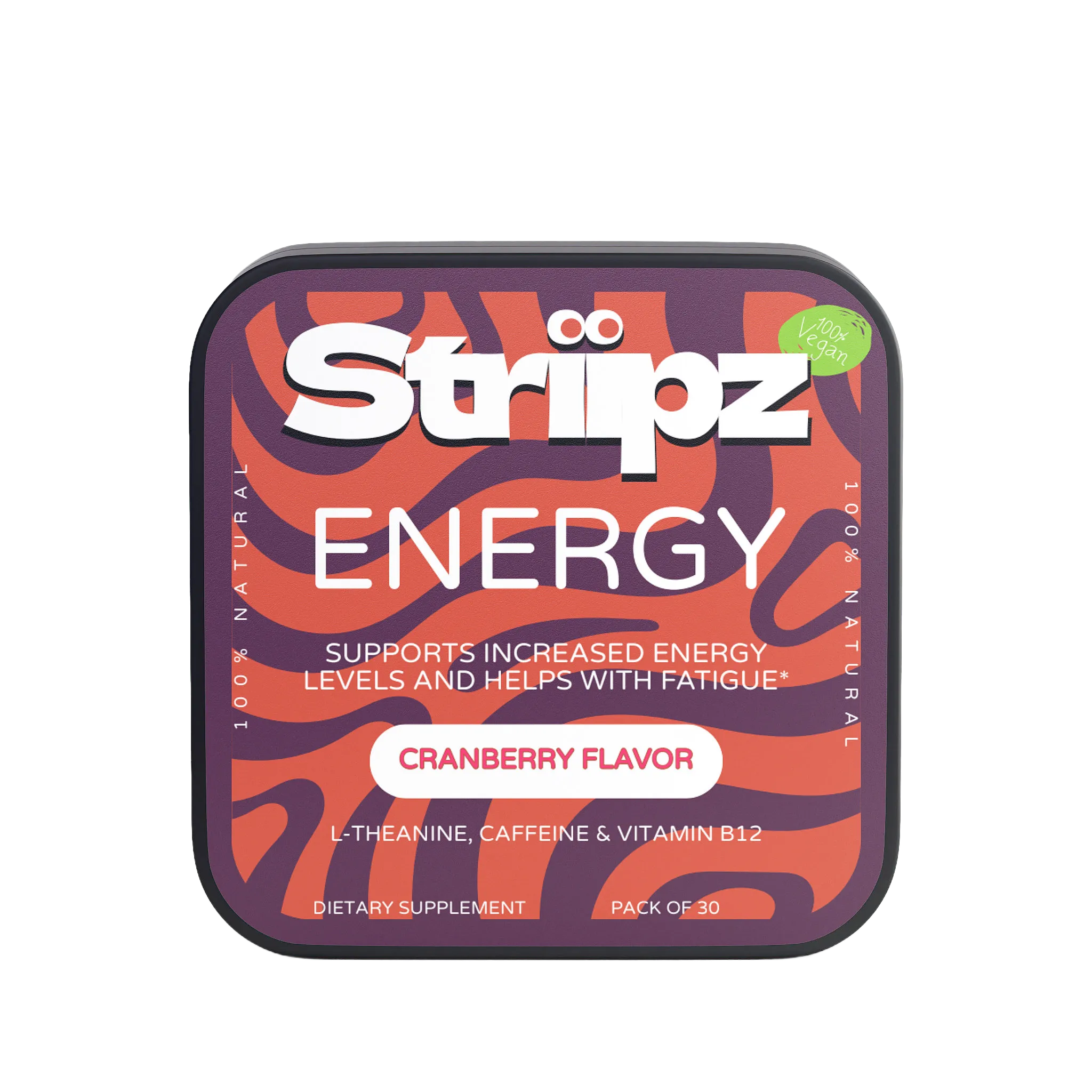
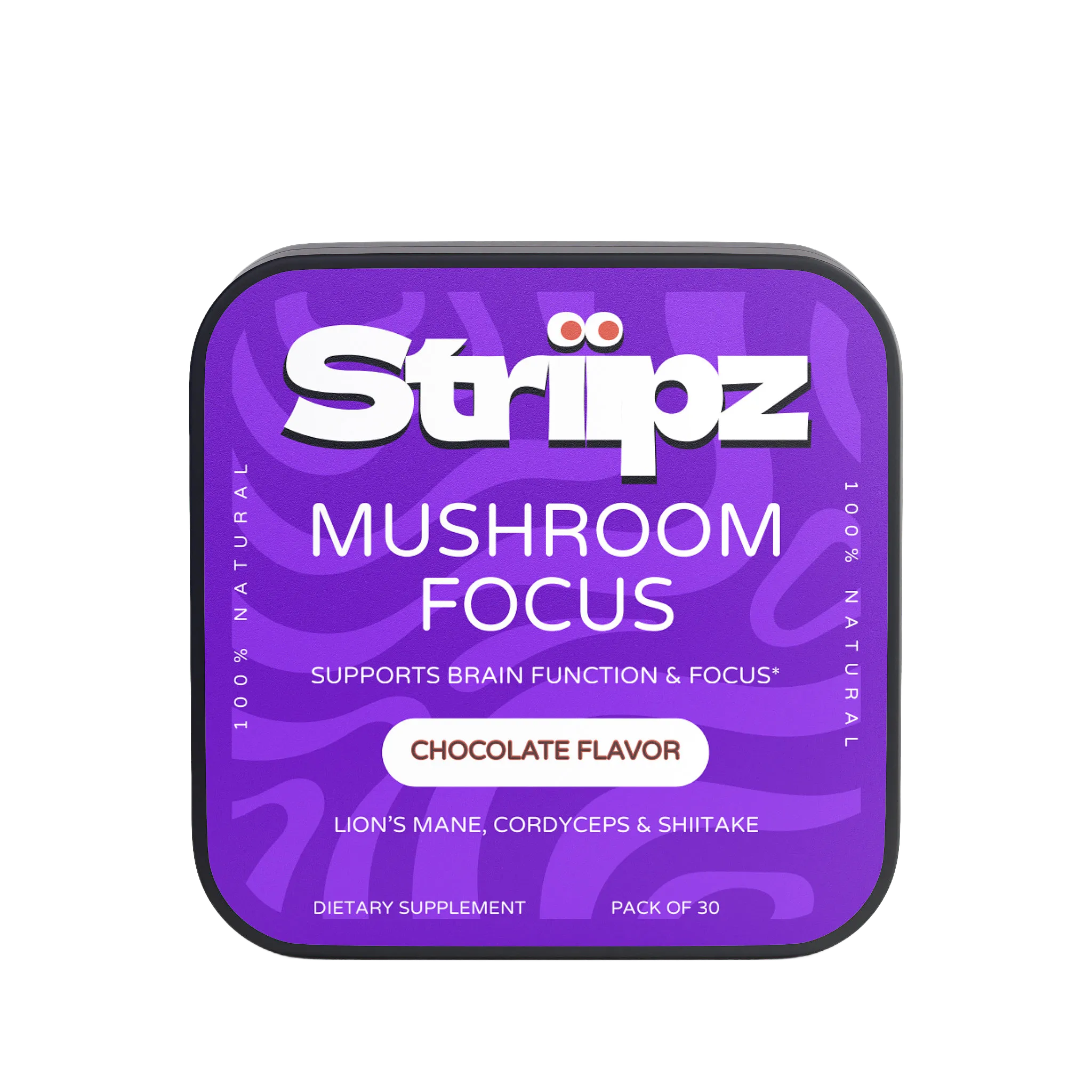
At Striipz, our gut health strips are formulated with clinically studied probiotic strains, prebiotic fiber, and a full-spectrum digestive enzyme blend — all in one ultra-thin strip that fits in your pocket and works in seconds.
How Long Does It Take to Improve Gut Health?
Gut health improvements are progressive, not overnight. Here's a realistic timeline:
- 1–2 weeks: Reduced bloating and improved regularity as digestive enzymes and probiotics take effect.
- 4–6 weeks: Noticeable improvements in energy, mood, and skin clarity as the microbiome begins to rebalance.
- 2–3 months: Deeper microbiome diversity, stronger immune response, and more stable metabolism.
Consistency is everything. Daily supplementation, combined with a gut-friendly diet, compounds over time.
Final Thoughts
Your gut is the foundation of your health — not a footnote. When your microbiome is balanced, your digestive enzymes are active, and your probiotics and prebiotics are working in harmony, the benefits extend far beyond the digestive tract: better energy, clearer skin, sharper focus, and a stronger immune system.
Don't wait for discomfort to take gut health seriously. Start building your foundation today.
Explore Striipz gut health strips — the effortless, science-backed way to support your digestive health every single day.